What our rooms are made of
We work from a short library of materials we know well. Each one is here because we can say what it is made of, where it comes from and what it releases into a room.
We read product data sheets and ask suppliers for test results. Where a product carries a certification, we name it on the project page. Where it doesn’t, we say so.
Material library

Lime plaster
A traditional wall finish of lime, sand and water. It stays vapour-open, so moisture can move through the wall instead of collecting behind it.
Where we use it: Living rooms, hallways and older houses with solid walls.
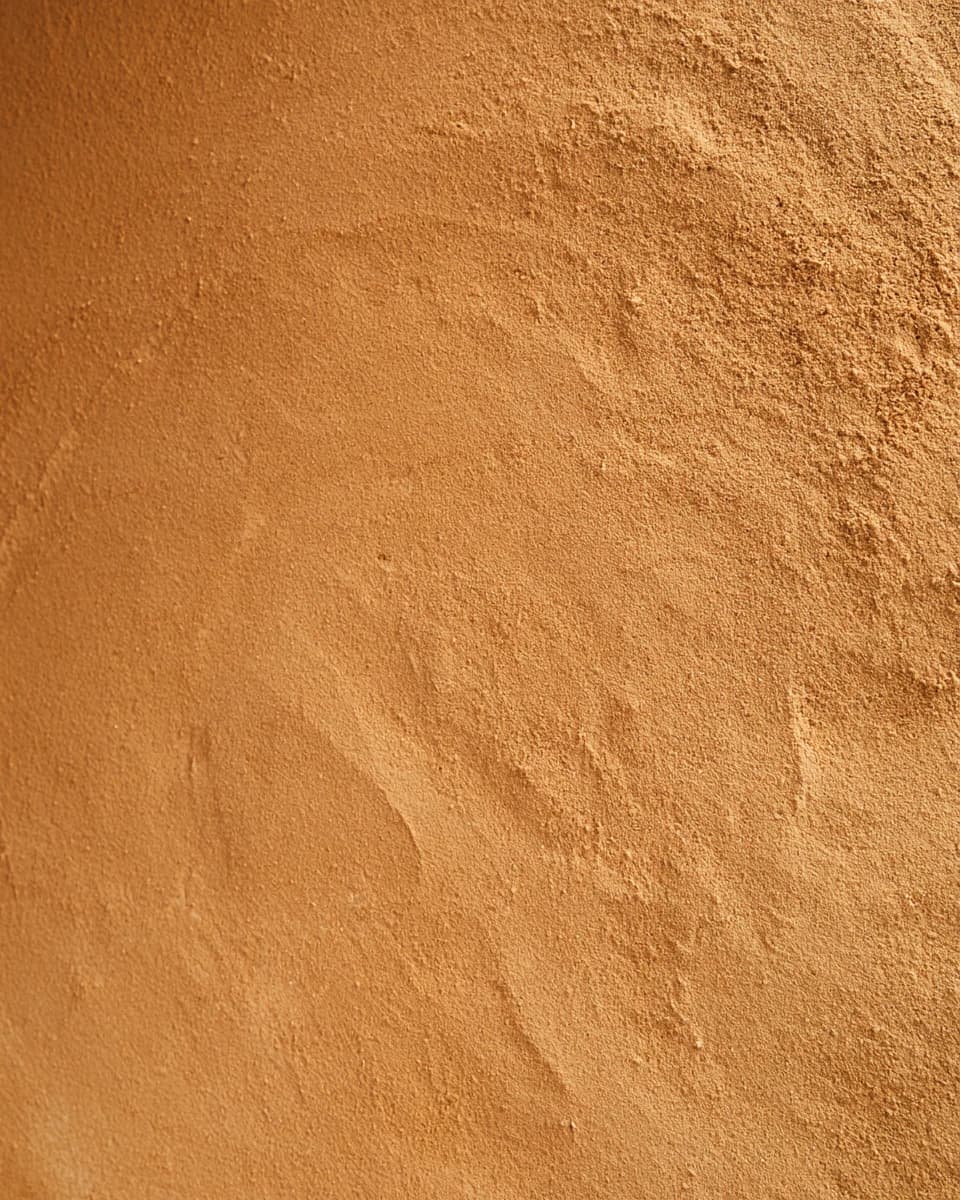
Clay plaster
Unfired clay, often tinted with earth pigments. It takes up and releases moisture from the air, and a damaged patch can be repaired with water and more clay.
Where we use it: Bedrooms and quiet rooms where a soft, matte wall matters.

Low-VOC mineral paint
Silicate and mineral paints bond with the wall rather than forming a plastic skin. We specify low-VOC formulations and check each product's data sheet.
Where we use it: Anywhere plaster isn't practical, and on joinery that needs colour.
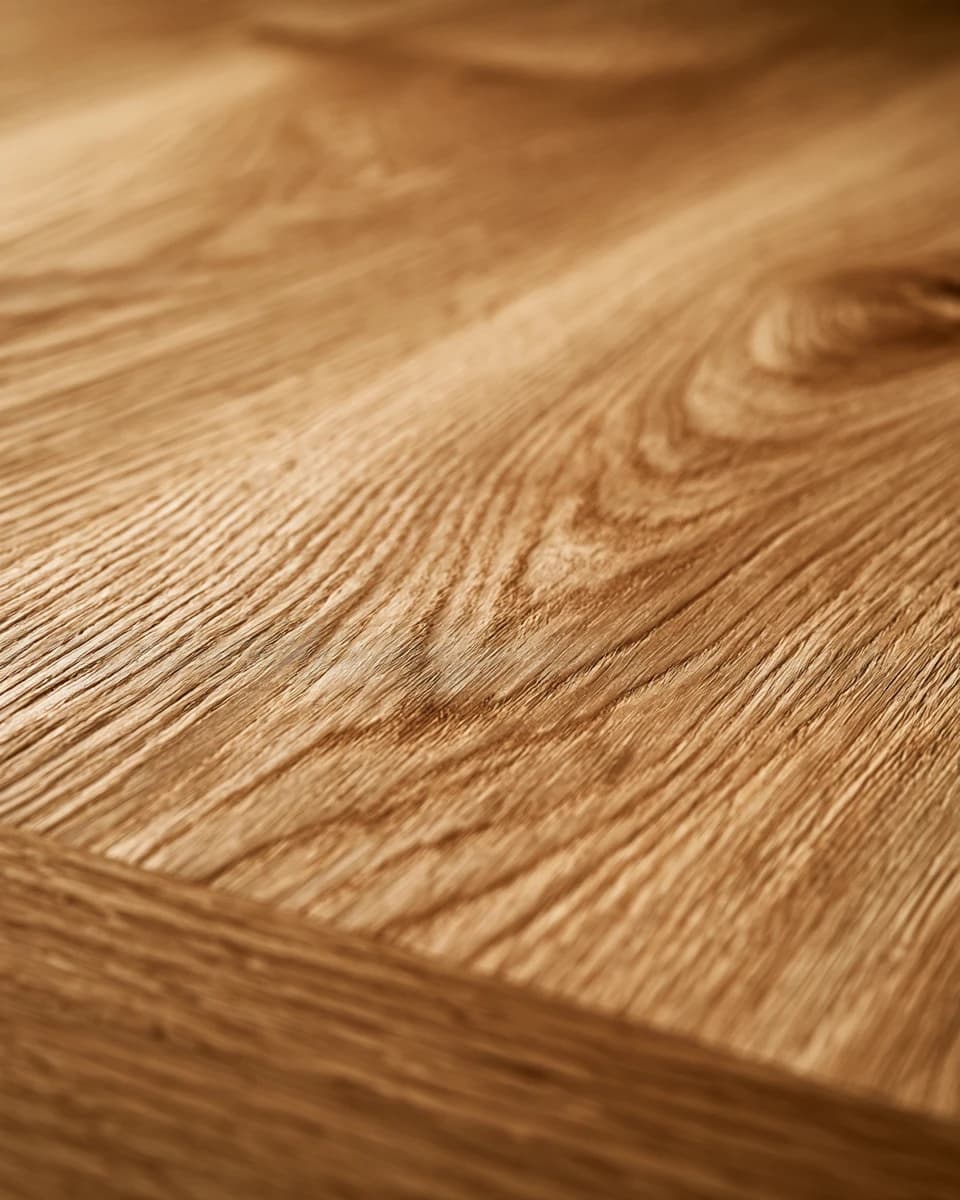
Solid timber
Oak, ash and other hardwoods used as solid wood, not veneer over board. Finished with natural oils so the surface can be sanded and renewed.
Where we use it: Joinery, kitchens, tables and stair treads.
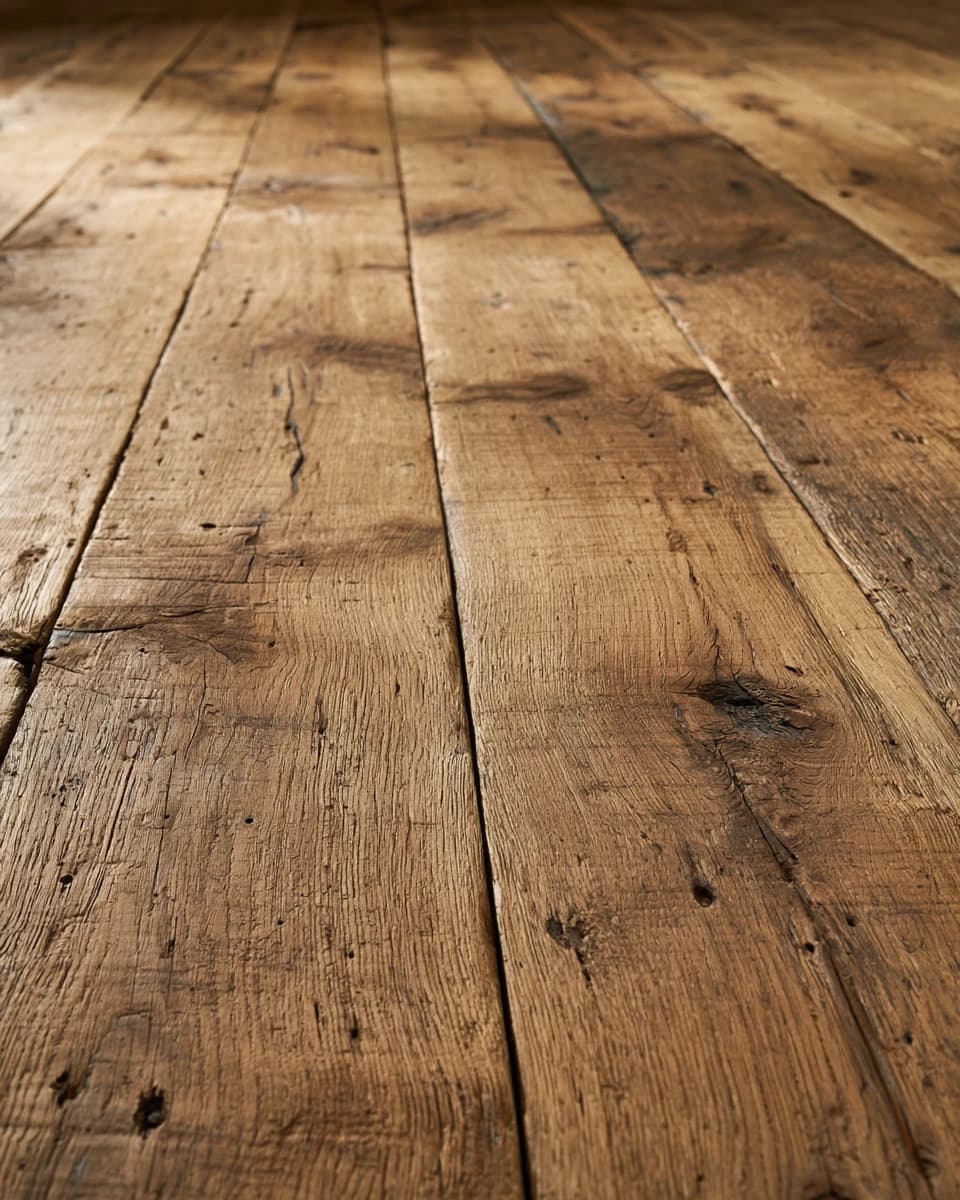
Reclaimed timber
Boards and beams salvaged from older buildings. The timber has already been grown, felled and dried. We just give it another use.
Where we use it: Floors, shelving and feature walls.
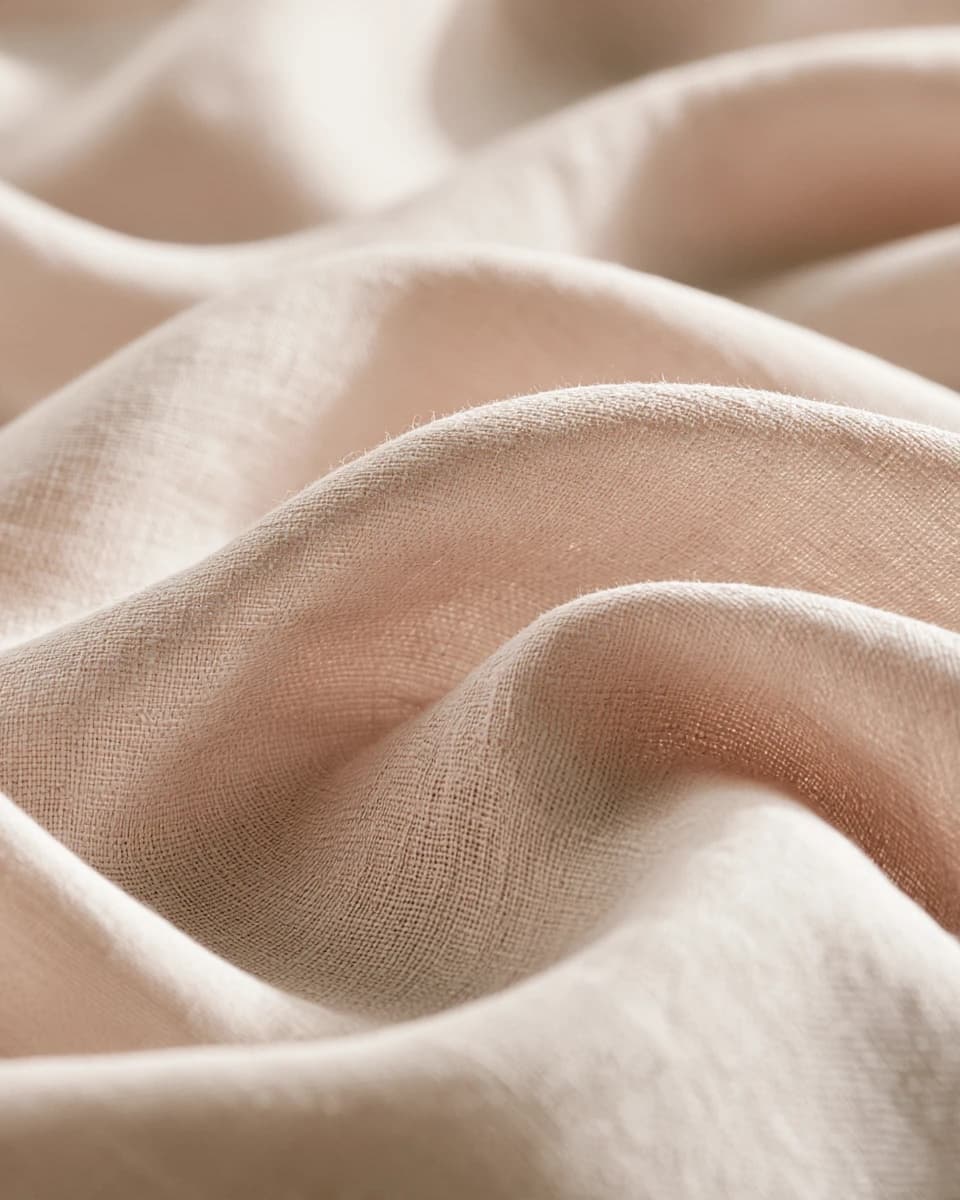
Linen
Woven from flax, a crop that needs relatively little water. We specify linen without stain-repellent finishes wherever regulations allow.
Where we use it: Curtains, upholstery and bedding.
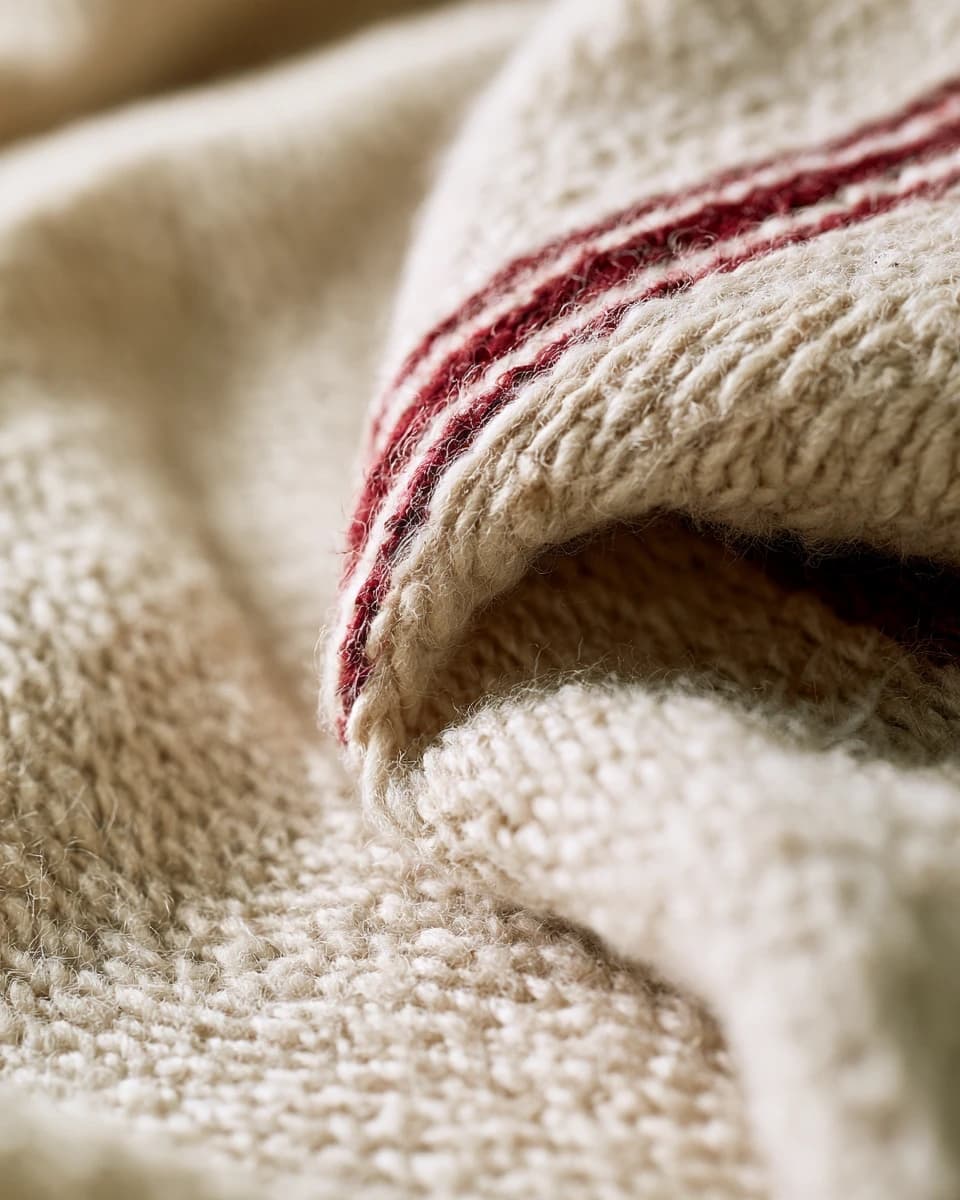
Wool
Naturally resilient and slow to soil. As felt it absorbs sound, which makes it a natural-fibre alternative to foam acoustic panels.
Where we use it: Rugs, acoustic panels and upholstery.
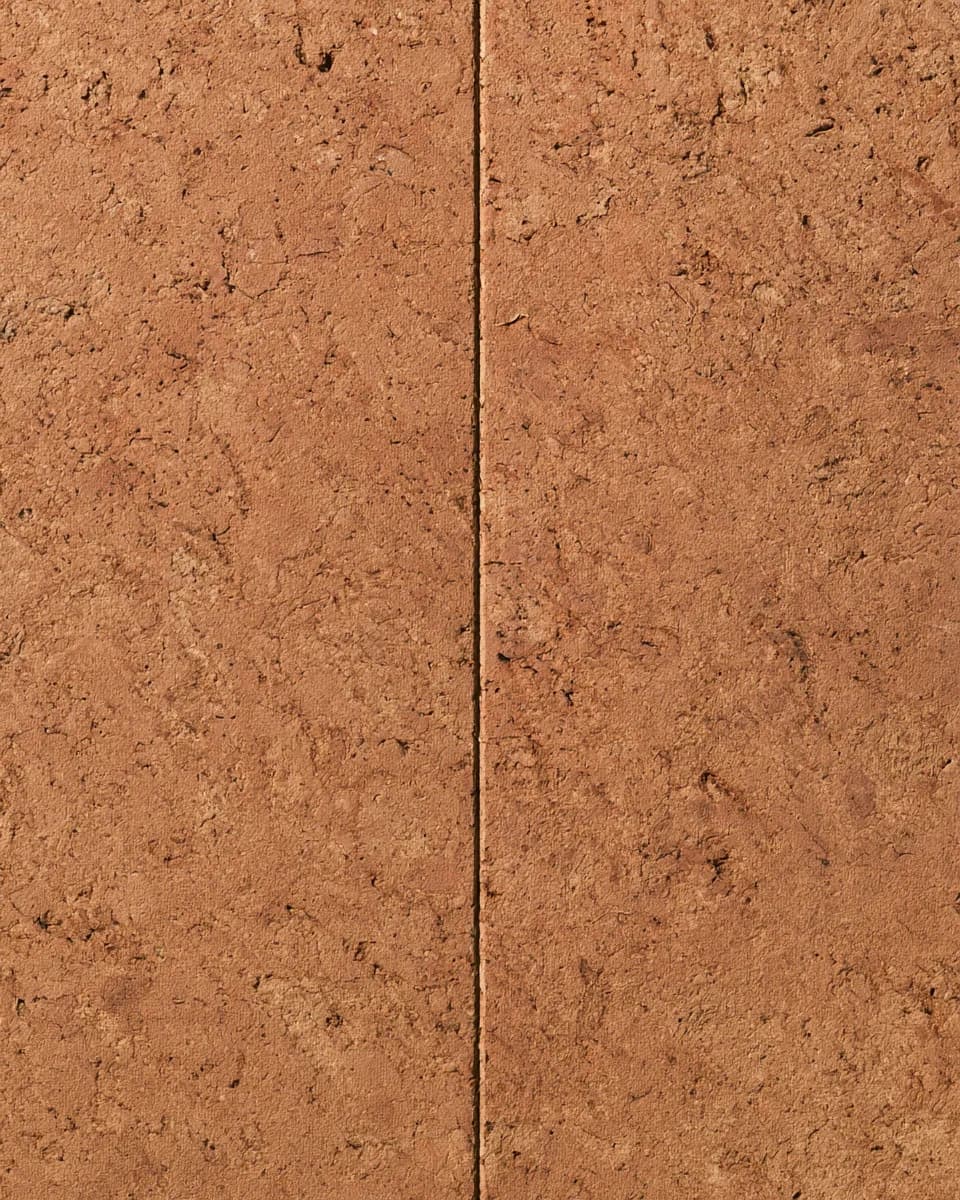
Cork
Harvested from the bark of the cork oak, which regrows. Warm underfoot, quiet and good at absorbing sound.
Where we use it: Acoustic walls, pin boards and floors in children's rooms.
What we leave out
Some materials are cheap and common, and still not worth bringing into a home. These are the ones we design around.
High-VOC finishes
- What it is
- Conventional solvent-based paints, varnishes and lacquers that release volatile organic compounds as they cure.
- Why we avoid it
- Those compounds end up in the air of the room, and some finishes keep releasing them long after the smell fades.
- What we use instead
- Low-VOC mineral paints, natural oils and plaster finishes.
Formaldehyde-based composites
- What it is
- MDF, particleboard and plywood bonded with urea-formaldehyde resins, common in flat-pack and budget joinery.
- Why we avoid it
- Formaldehyde can off-gas from these boards into the room over time.
- What we use instead
- Solid timber, or formaldehyde-free composites where a board is the right material.
PFAS-treated fabrics
- What it is
- Textiles finished with stain- and water-repellent coatings based on per- and polyfluoroalkyl substances.
- Why we avoid it
- PFAS are persistent chemicals that don't break down easily, in the home or in the environment.
- What we use instead
- Untreated natural fibres, chosen and woven to wear well, plus a care guide for cleaning them.